Seeking Orcas By Kayak // PART 1

I received the text message six months back.

"Have you ever seen those YouTube videos where people are kayaking or paddle boarding and suddenly they're surrounded by killer whales? Let's take a trip and do it!"

I think my response was a mixture of whale emojis and exclamation points.

Natalie Wall's enthusiasm bit me immediately. We roped Victoria Wright into our scheme, and the three of us began planning what ultimately was the trip of a lifetime: one week full of kayaking, whale watching, hiking and camping through Washington's San Juan Islands (where orcas are most commonly spotted) and Alaska's Kenai Peninusla.
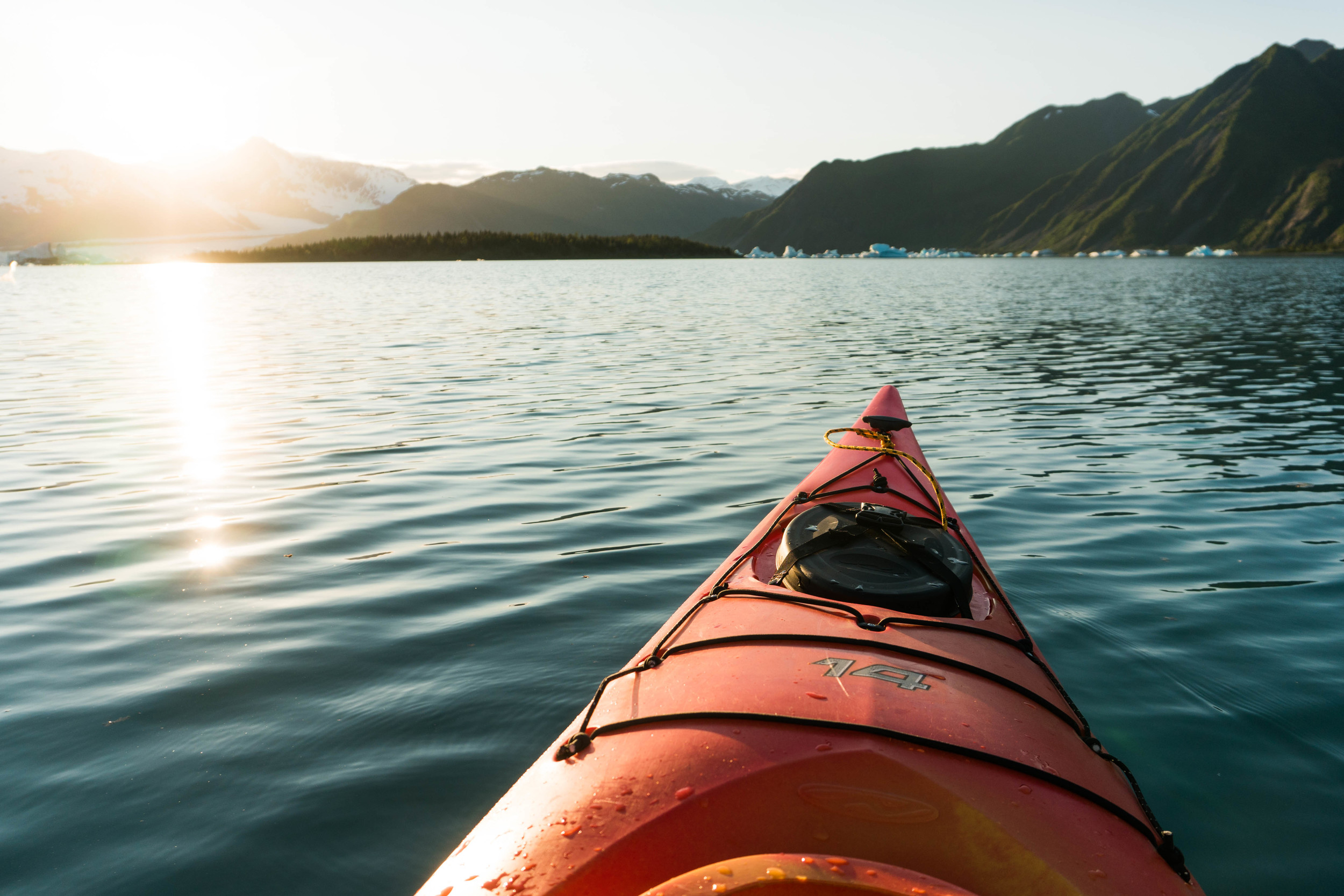
As our adventure really was, for lack of a better term, epic... I will be splitting the story into two features, starting with our time in Washington. Look for my Alaska story in a few days.

San Juan Islands

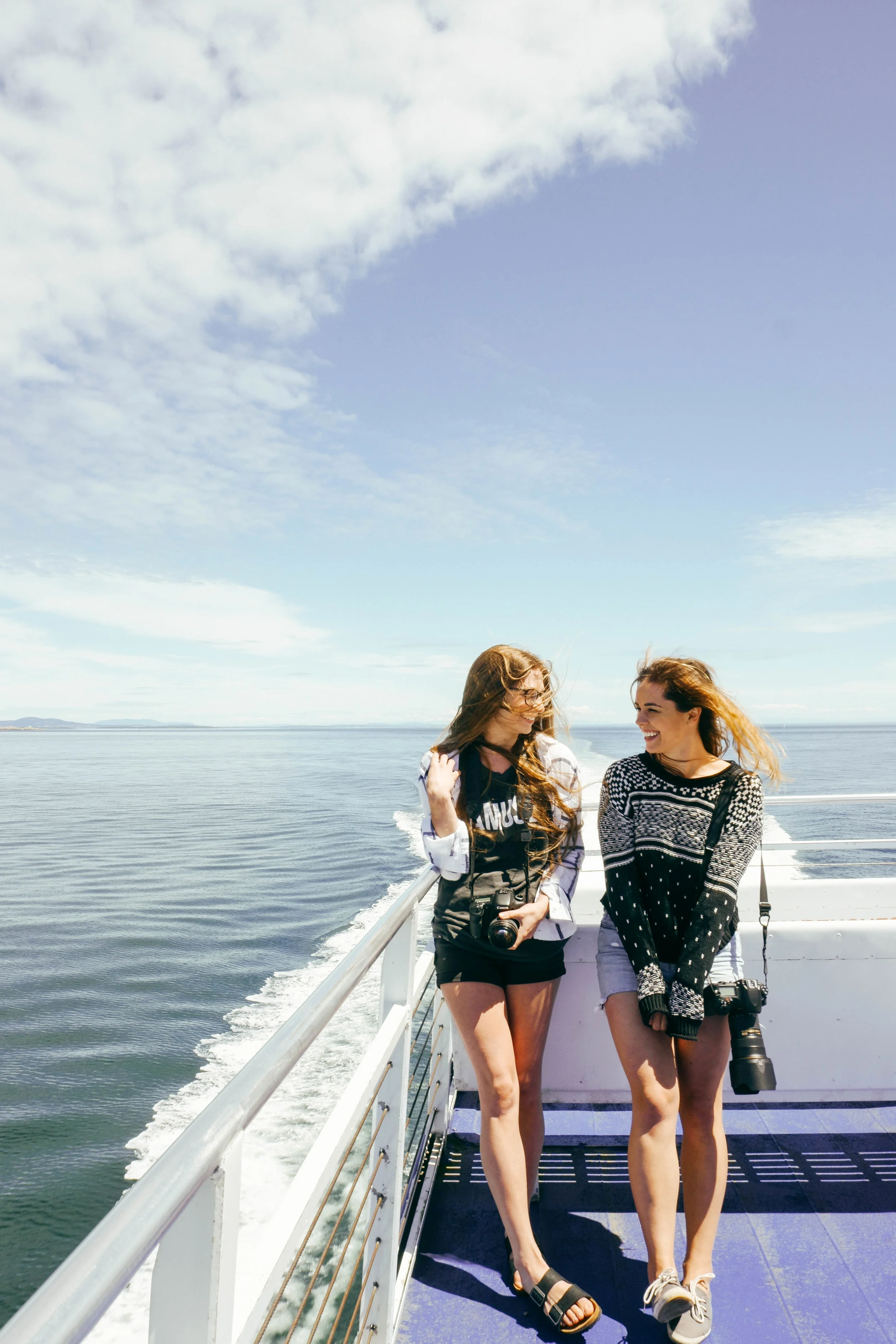
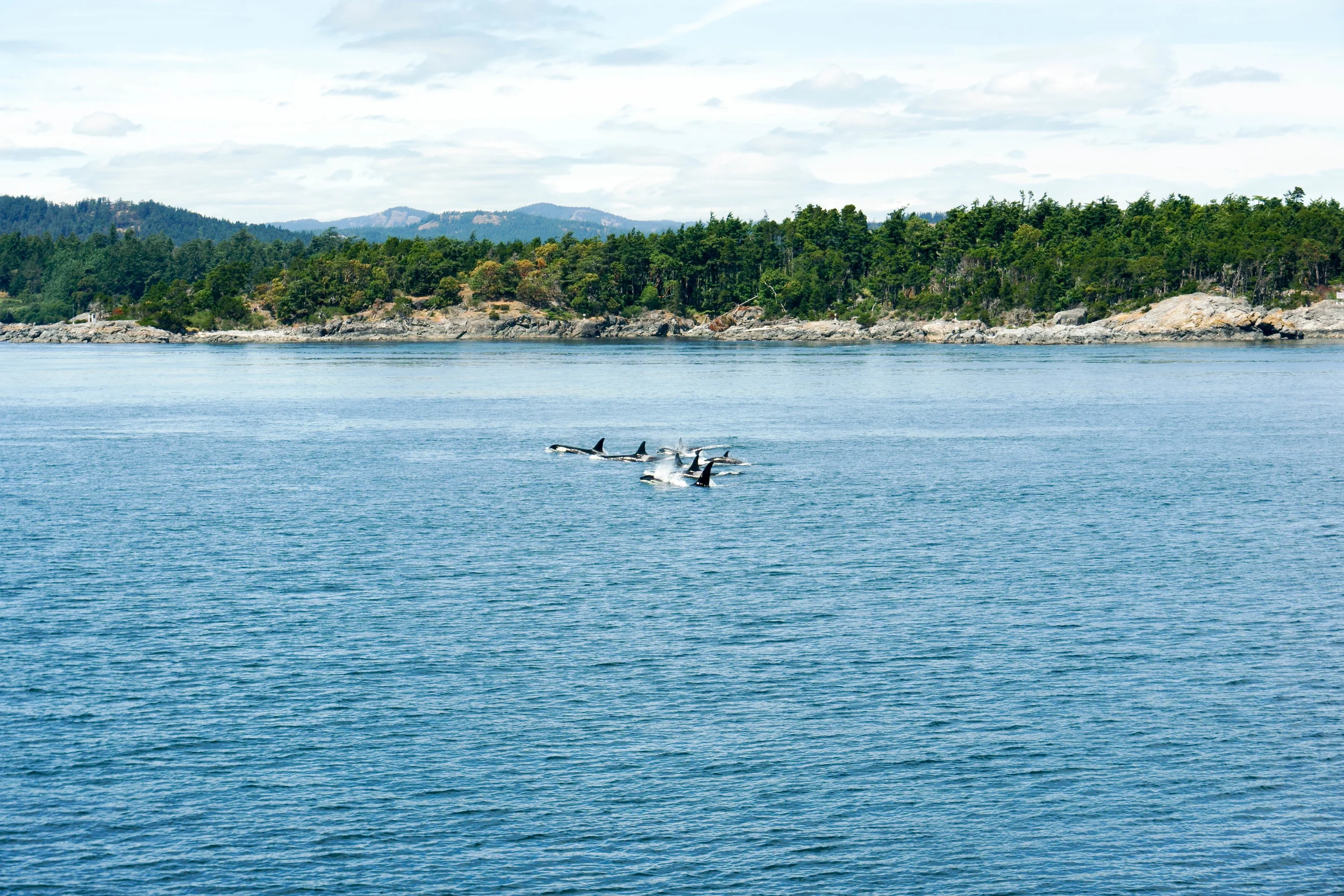
Unfortunately we didn't actually kayak amidst a pod of orcas (but not for lack of trying!). However, aboard Clipper Vacations we did see an orca calf with the rest of L Pod, the first time it had been spotted since the beginning of winter (the research boats excitedly bopped up and down in the water, trailing the pod everywhere they went). Many other adventures ensued, including gobbling down melting ice cream cones while riding candy-colored beach cruisers all over San Juan Island's Friday Harbor, commandeering a small rowboat from a nice captain, and sea kayaking over 10 miles through the Puget Sound. We did discover many a bald eagle, harbor seals, sea lions, and a ton of jelly fish along the way.
We were fortunate enough to welcome a few amazing brand partners on board the trip to sponsor the adventure. Our HUGE thanks goes out to Alaska Airlines for providing airfare and helping us during what could have been a very sticky situation when we couldn't find one of Victoria's bags in Seward. Also on board was Bota Box, which uses 100% recyclable packaging and is by far the best boxed wine I've ever tasted. They make it easy to bring wine on your adventures (amazing, right?); our Bota made it in our tents, our backpacks, and even on our kayaks. My favorite was the Nighthawk Black; super yummy. Teva hooked us up with the perfect footwear for our adventure, and Clipper Vacations was responsible for the entirety of our San Juan Islands adventure and also allowed us to actually see a pod of orcas via their whale watching experience. Thank you so much to our brand partners for helping make the week so extraordinary!

Meeting The Southern Residents

The "upper left" portion of Washington is filled with countless bays, inlets, lakes, and islands. It's a gorgeous mess of a place, and even when I lived in Seattle I never fully got a handle on where everything sat geographically. I hadn't made it to the San Juan Islands before this trip, which I'm grateful for, as it made the experience that much more special. After having seen a couple of viral YouTube videos documenting people experiencing orcas in the wild, I was under the naïve yet hopeful impression that pods of killer whales like to swim and breach near casual kayakers. In reality, the three pods of orcas that live in the area (known as the "Southern Residents") are tracked, numbered, named and can be easily recognized by those who know what to look for. While on board the Clipper, Naturalist guide Justine Buckmaster, who has been guiding tours for six years and has "always loved whales" explained it as this:

"Each pod has a name, and each whale within the pod has a unique name. All whales are photographed yearly by the Center for Whale Research. Each whale is recognizable by a unique dorsal fin and saddle patch, like a fingerprint."
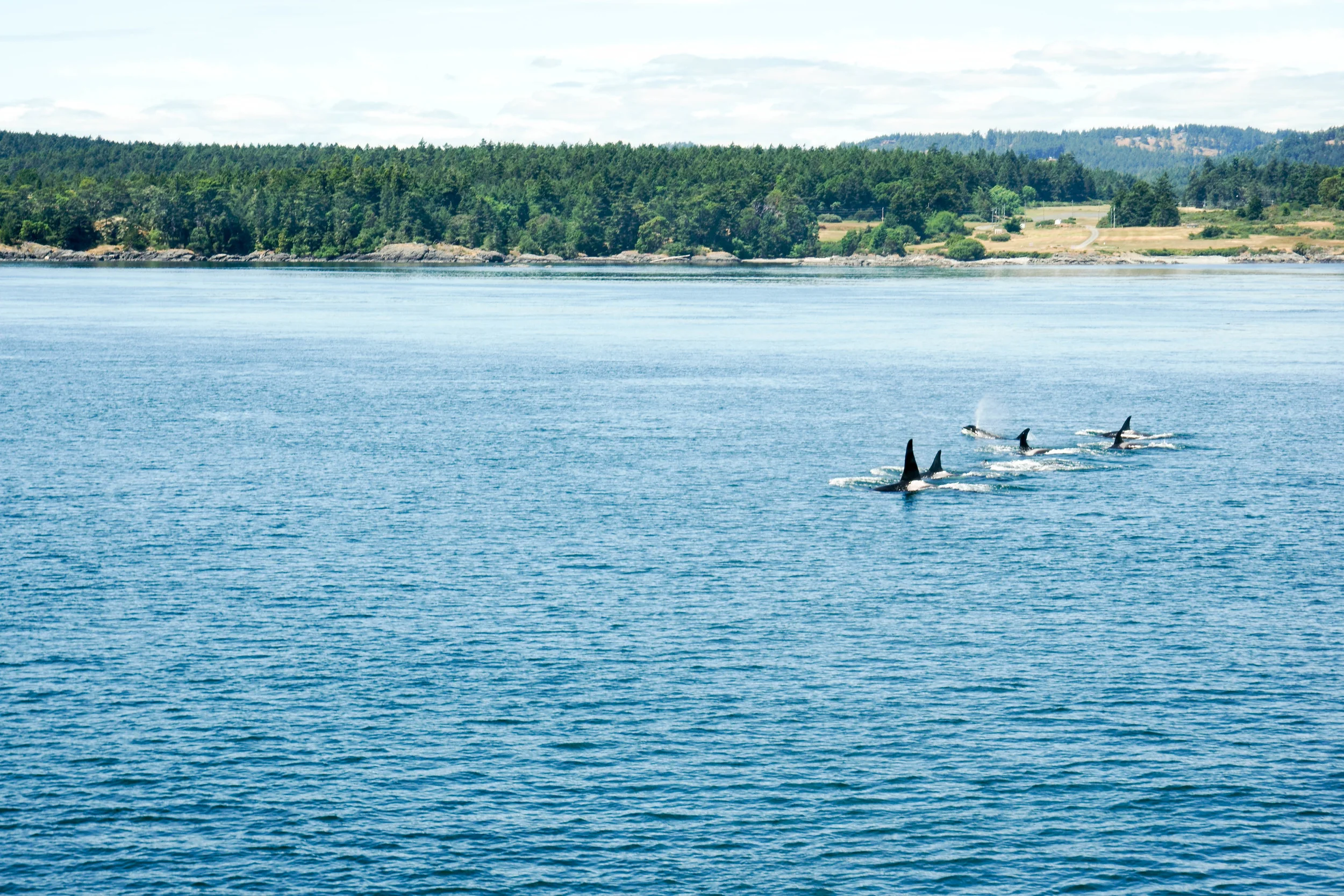
Orcas are extremely community driven. Each pod has their own language and communicate frequently, also interacting with other pods and "transient whales" which are exactly how they sound... orcas that roam about freely and feed on seals as opposed to the typical salmon diet. Natalie, Victoria and myself were also delighted to hear that orca pods are matriarchal  they're led by females. The matriarch of the entire Southern Resident orca population, an old dear known as "Granny" is estimated to be over 100 years old (a typical orca lifespan in the wild is around 50-60 years old).

There is much more known about killer whales today than even a decade ago, and in turn, public opinion is changing as well. It is now widely accepted that orcas are not meant for captivity as they are extremely social creatures that rely extensively on the social acceptance they receive from their pod; and if taken from their family and put into captivity their behavior will be less predictable. The last orca in captivity is Lolita who currently resides in Miami's Seaquarium. It is believed that she was taken from L Pod, the same pod we saw off the coast of Victoria onboard the Clipper.

Our half-week in San Juan Island's Friday Harbor and full immersion into all things orca was the perfect entry into what was a jaw-dropping experience in Alaska. Stay tuned for the second half of the story, coming soon!


Want your own unique orca experience? I'm delighted to be joining trip partner Clipper Vacations to give away a whale watching trip in the Puget Sound! See my Instagram for more details.
Social Impact in the Dominican Republic with Fathom

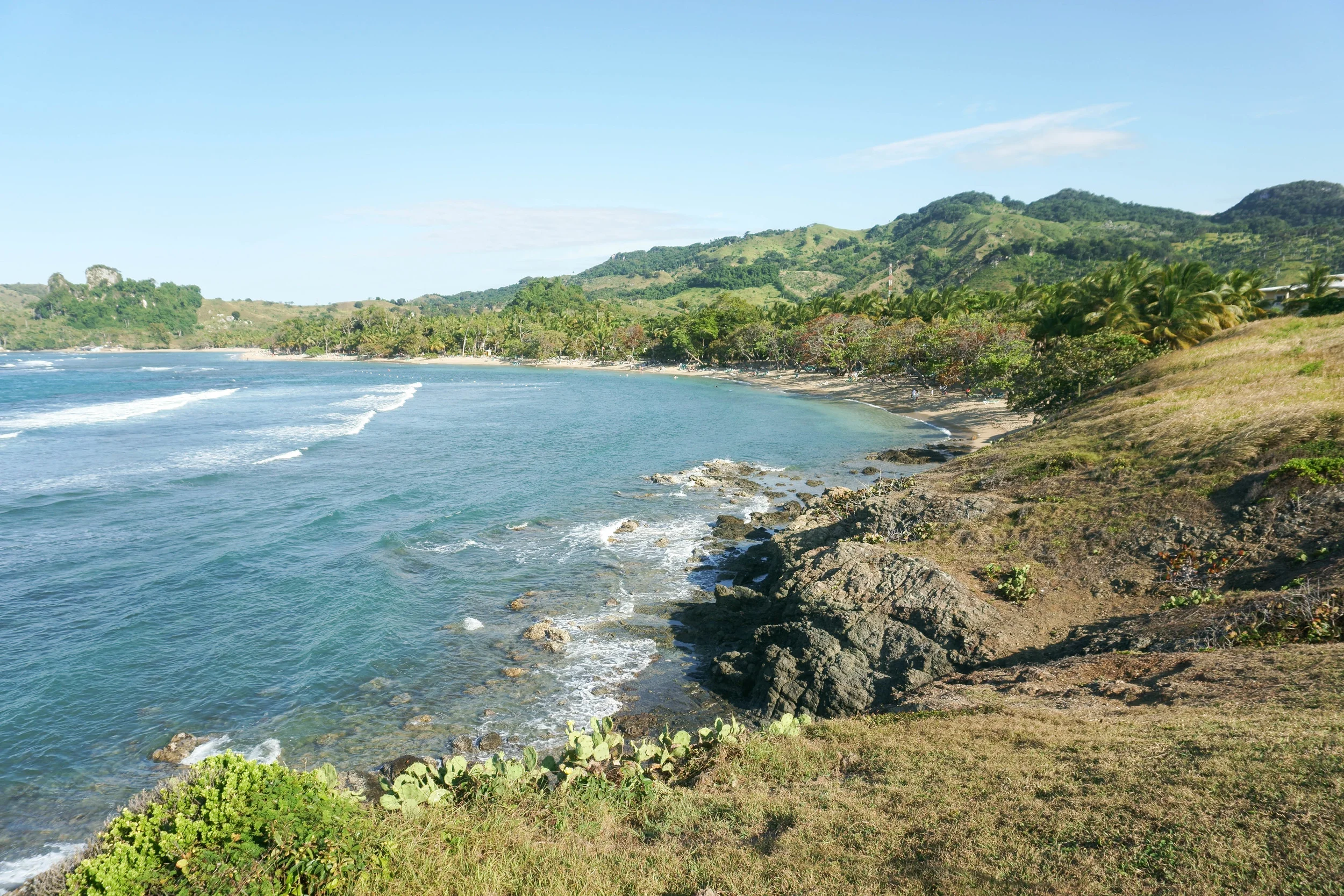
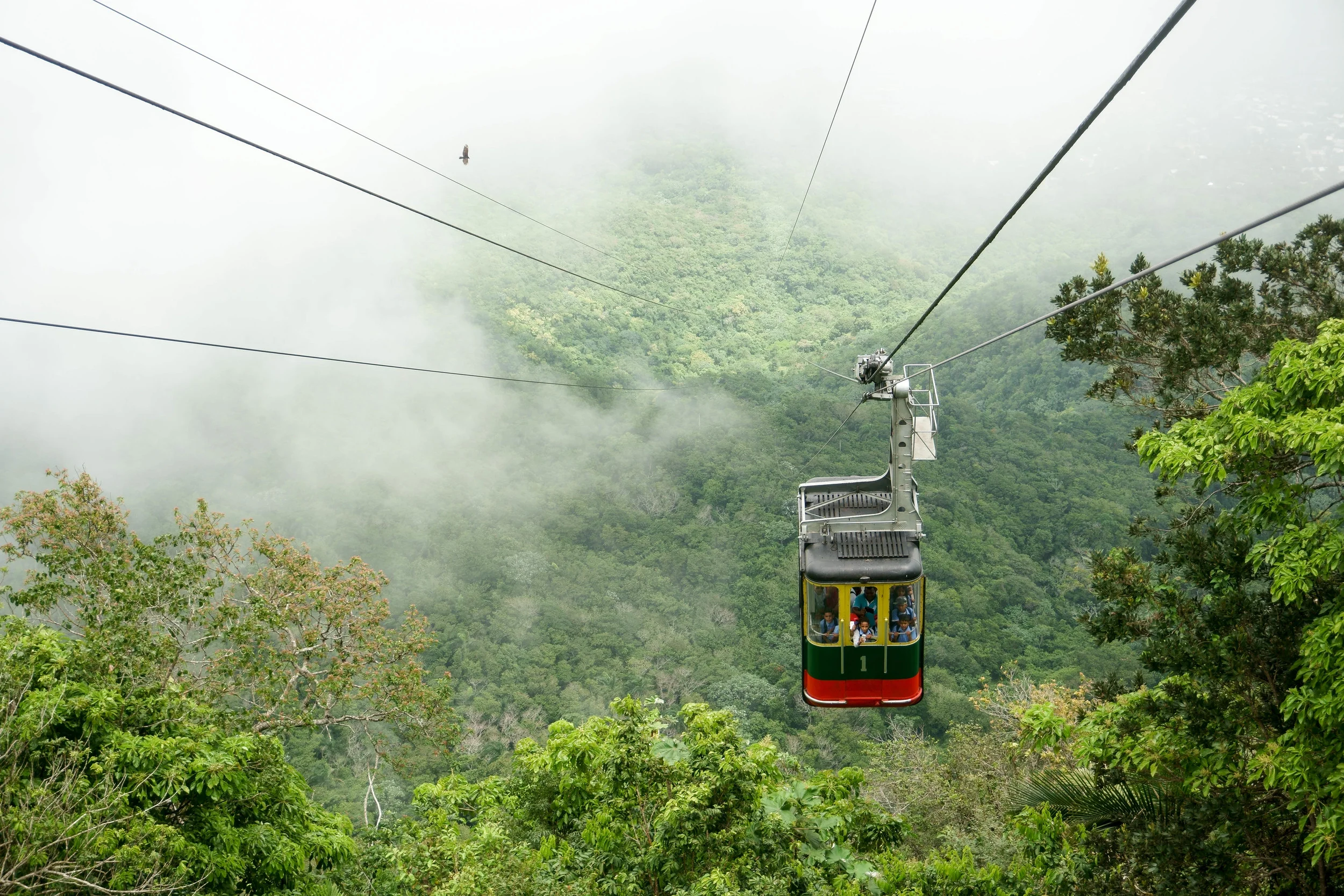
The Dominican Republic occupies part of an island in the Caribbean shared with Haiti, possessing a heart and culture all its own. The northern city of Puerto Plata (which means port of silver) was "discovered" by Christopher Columbus in 1492 and the country still maintains a strong Spanish heritage today. Pirates, bloody wars for independence and the discovery of amber all make up a part of Dominican's history, a country that teeter totters between the extremely wealthy and the extremely poor. I saw lavish all-inclusive resorts one mile away from dogs climbing trash piles three stories high. But most of all, Dominican Republic, and the 10.5 million people who occupy it, are beautiful.

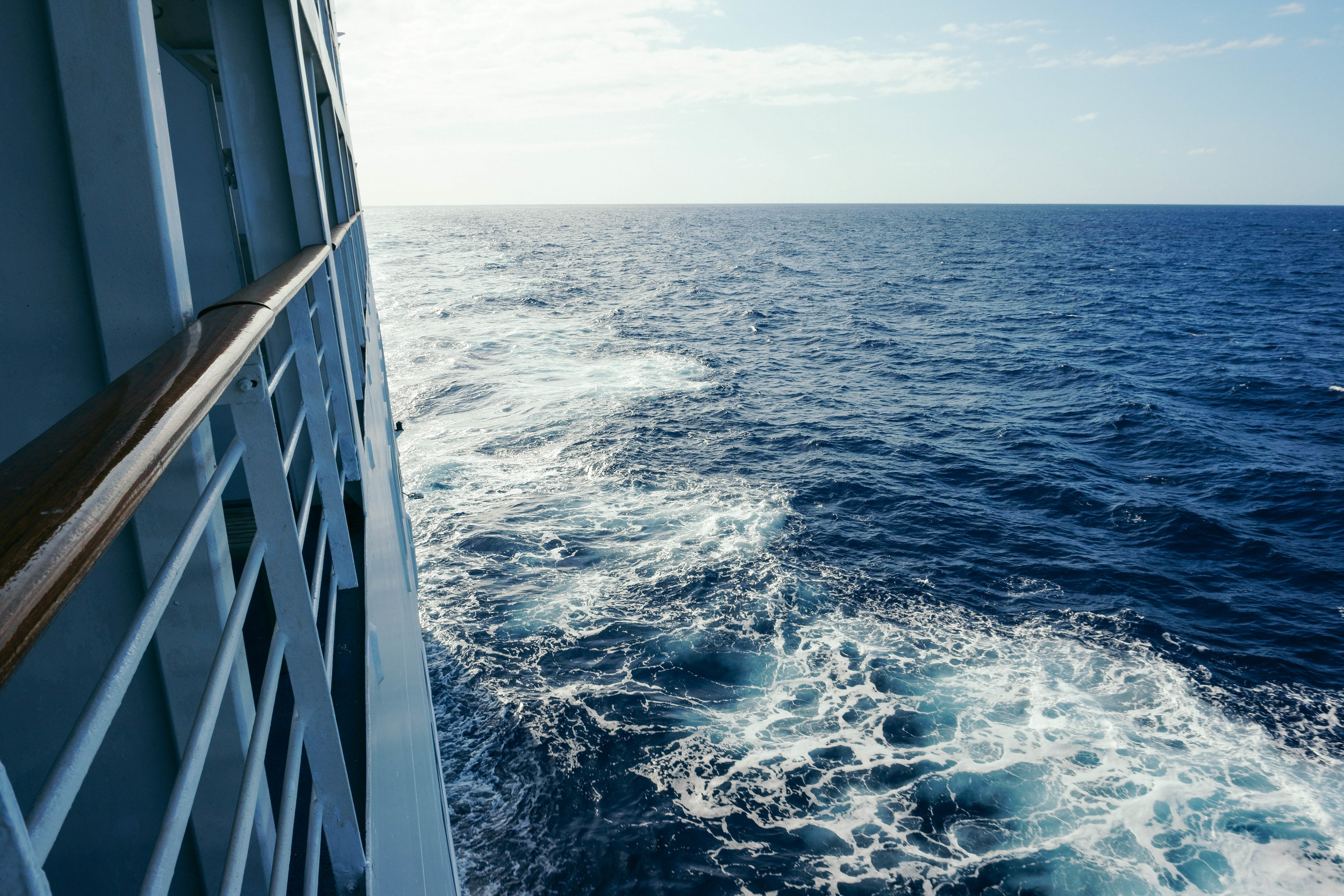
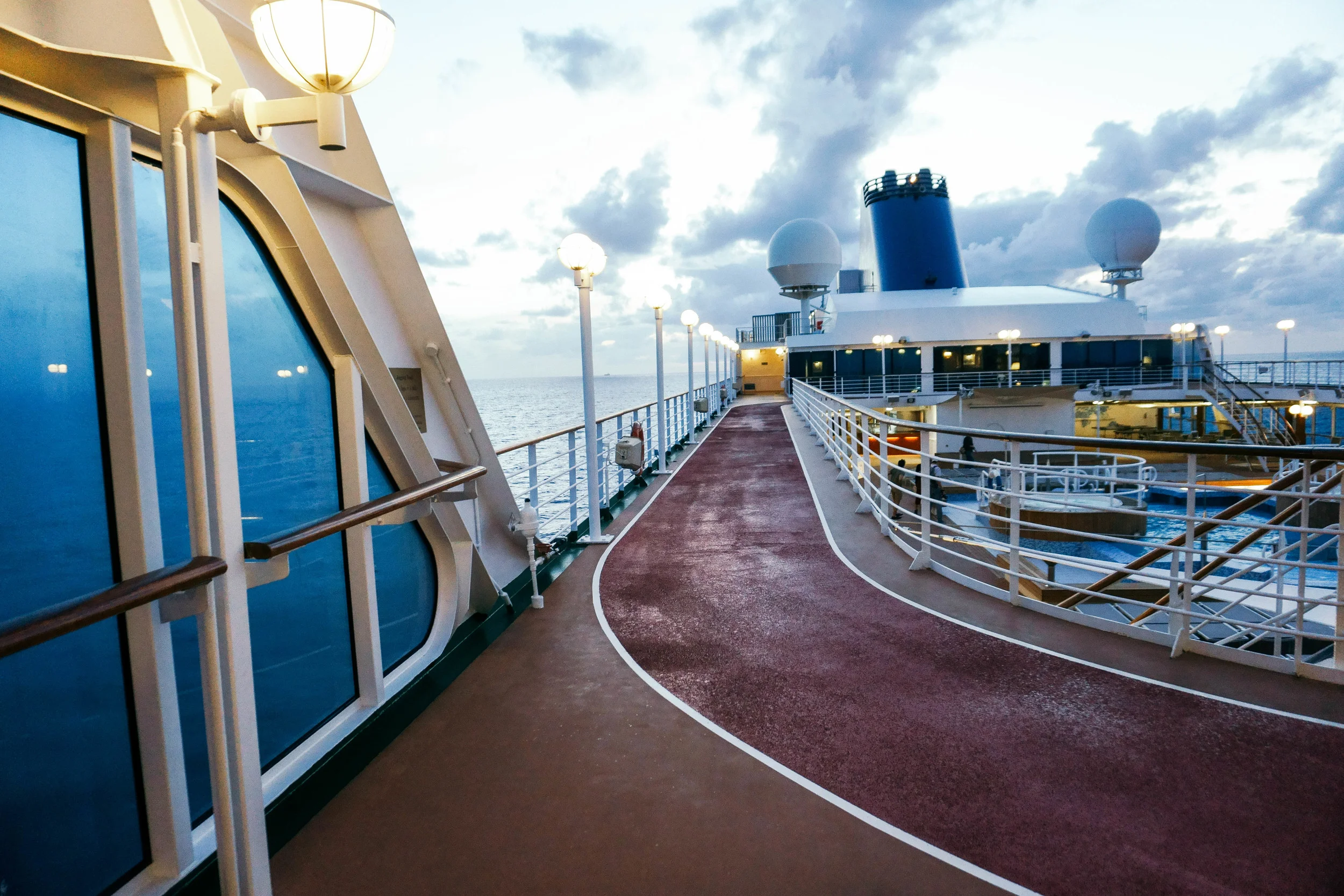
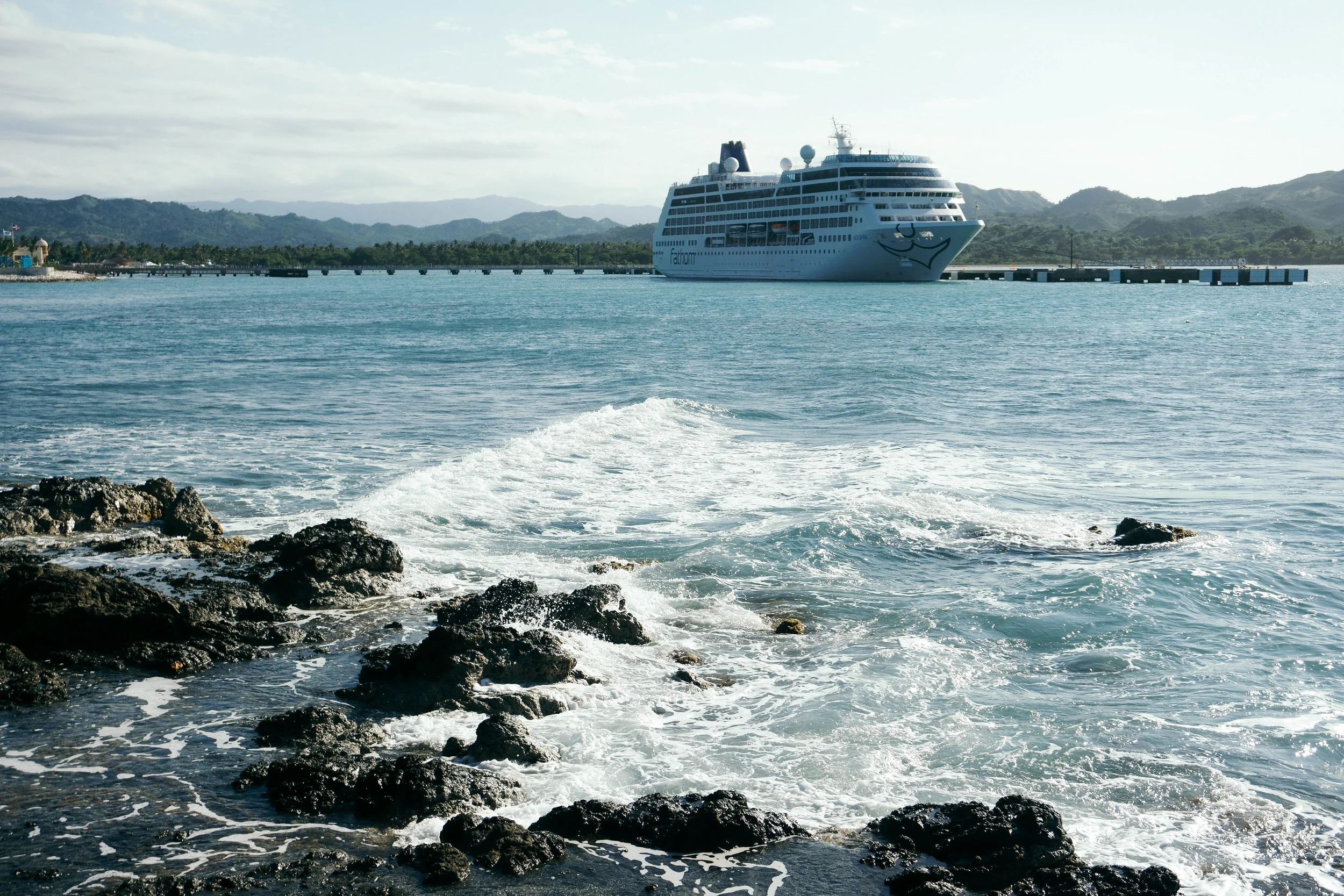
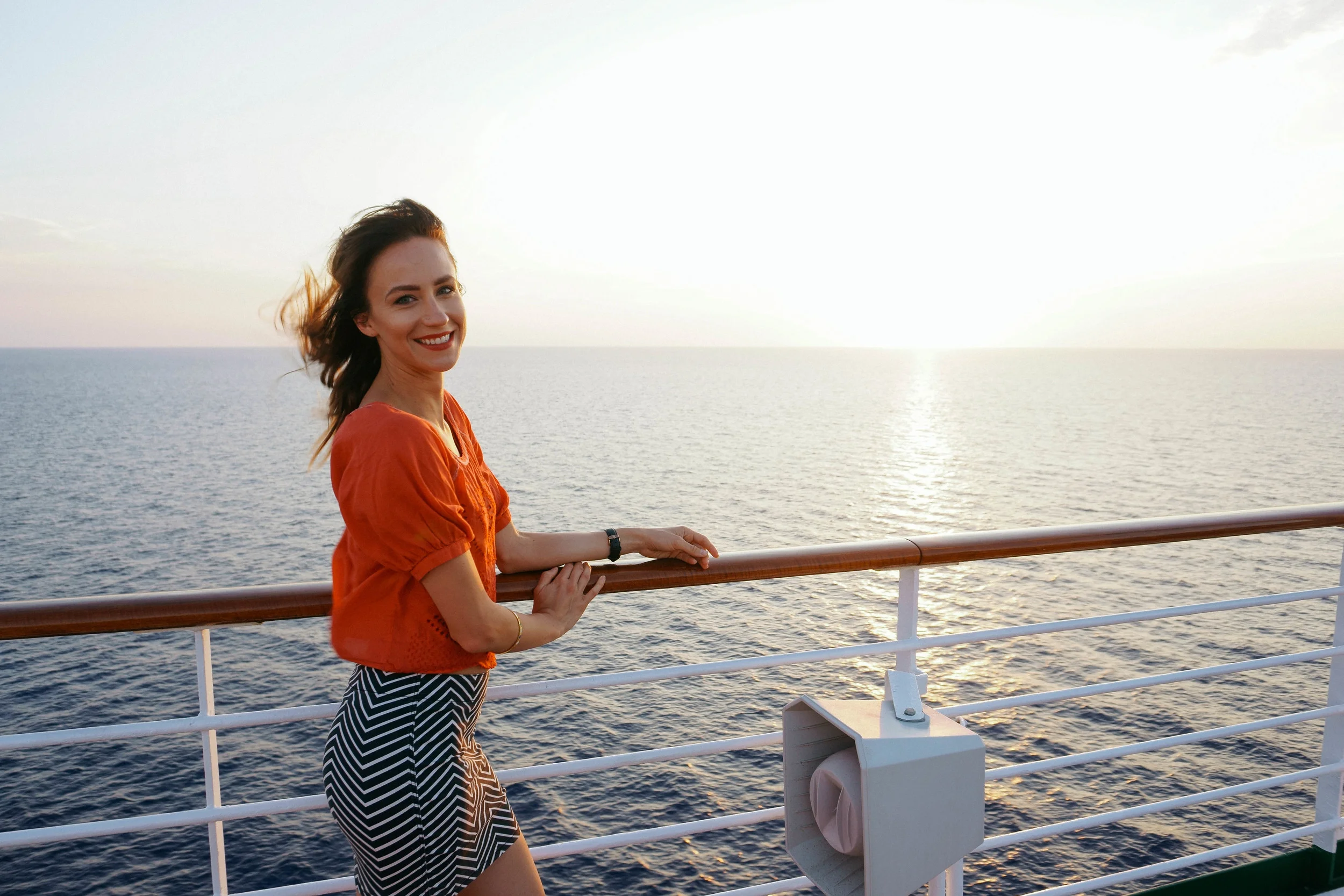
I've been back in the States for a week now, and my mind is still reeling and whirling as I continually attempt to process what just happened on Fathom's inaugural journey to the Dominican Republic aboard Adonia. The cruise was a week long. We left Miami on Sunday, April 24 and ended up in Puerto Plata's brand new Amber Cove. We stayed docked at Amber Cove the culmination of the entire week, which allowed us to explore the same area each day and truly get to know it.

I'll be the first to admit I'm not a typical "cruiser," only having been on one to Alaska years ago with my family. But Fathom was different in every way possible. First off, Fathom is impact travel. If your mind is conjuring up images of a weird mixture between champagne flutes by the pool and taking selfies with Dominican children, well, you're not off entirely... but it's so much more than that. Fathom offers more than gawking at children in need, providing photo opps so you can change your Facebook profile picture when you get home and show all your friends how much of a humanitarian you are. Fathom is a culmination of years of study, research and input on how to travel with impact from some of the world's best thinkers.

I spent my week connecting and laughing with the most amazing of friends, including Spencer Spellman, Rachel Rudwall, Justin Walter and Sean + Jessica of Kind Traveler. We enjoyed buffet breakfasts together in the mornings and elaborate lamb and key lime dinners in the evenings (often made complete with entire bottles of rum) as we recapped our days together. I loved the timeline of the trip: 1.5 days at sea initially to connect, take part in workshops and activities with our cohort groups and bond together before jumping into #reallife in the Dominican; only to be followed up with another restful 1.5 days at sea where we could recap it all together while reapplying aloe and trying to ignore mosquito bites.

As it was Fathom's inaugural cruise, Fathom President Tara Russell and Carnival CEO Arnold Donald were on board the ship, along with a host of media documenting each and every second. During the initial press briefing, it was made clear that yes, doing good is good for business, but at the same time, Fathom wouldn't really "move the needle" longterm for Carnival, Inc. In other words, this is more than a PR move for Carnival  Fathom is born from a genuine desire to see and do good in the world... lasting good.

Fathom has partnered with two local NGO's, Entrena and IDDI, and together they've created a "link in the chain" concept where Fathom travelers take part in "impact activities"  as many or as few as they want  to further the reach that the NGO's are already doing in the Dominican Republic. Options include assisting in a women's cacao farm, reforestation, and building water filtration systems. I decided to opt for two impact activities, one from each NGO, Entrena's RePapel and IDDI's Community English.

RePapel

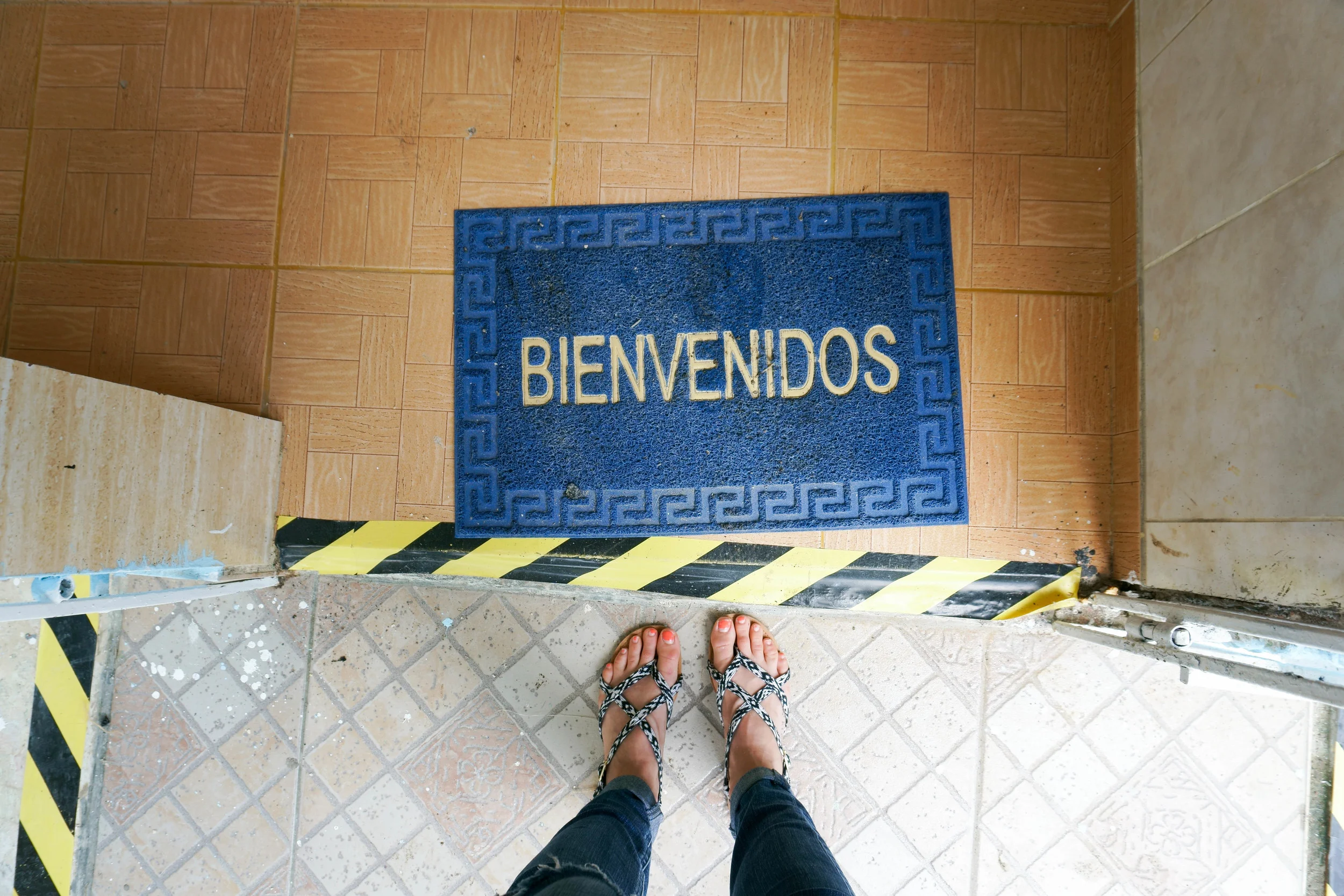
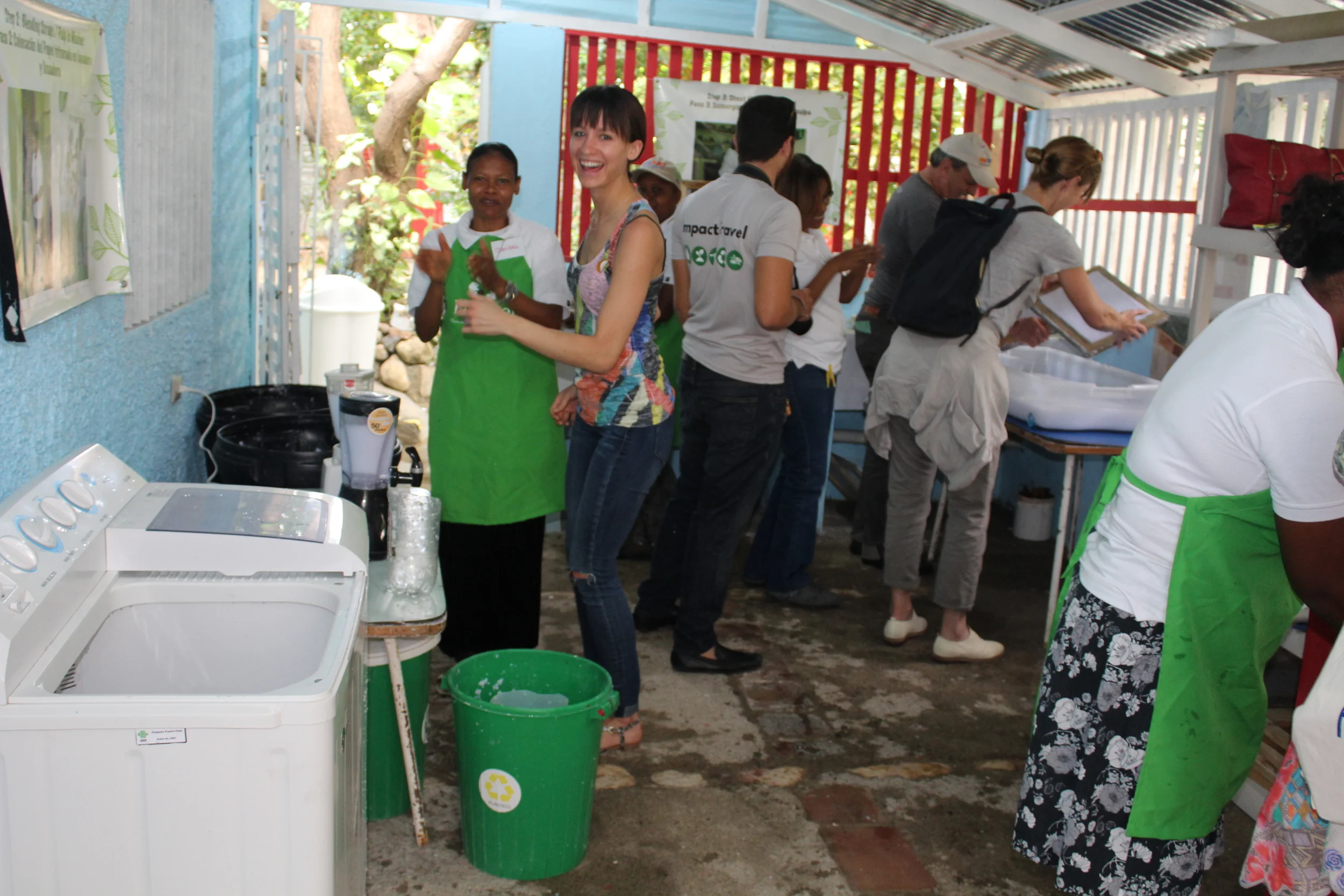
RePapel means "recycle," which is exactly what we did. I assisted a group of Dominican women make paper out of garbage, jewelry out of coffee seeds and wax candles for the days their electricity goes out. This involved using antiquated blenders and rolling techniques, as well as sitting in a circle and sifting through old faxes and newspaper. As our buses rolled up, and we tumbled out into the Dominican Republic we were instantly greeted with a rousing round of applause which was unexpected and incredibly moving. Chickens pecked one another in the streets which had recently been slovenly paved ("Election season is coming," one Dominican told me) as children ran around naked and stray dogs scavenged through trash. RePapel was a ray of sunshine, echoing the women who run it, unabashedly telling us they have to do something as most of their husbands cannot find work. During the few hours my team was there, we helped the women make 223 pieces of paper, more than three days' work, which will later be sold into greeting cards and stationary.

The thought in all of our heads, of course, was are we really helping  or just getting in the way. The answer was quickly evident: we were helping. And being changed in the process.

Community English

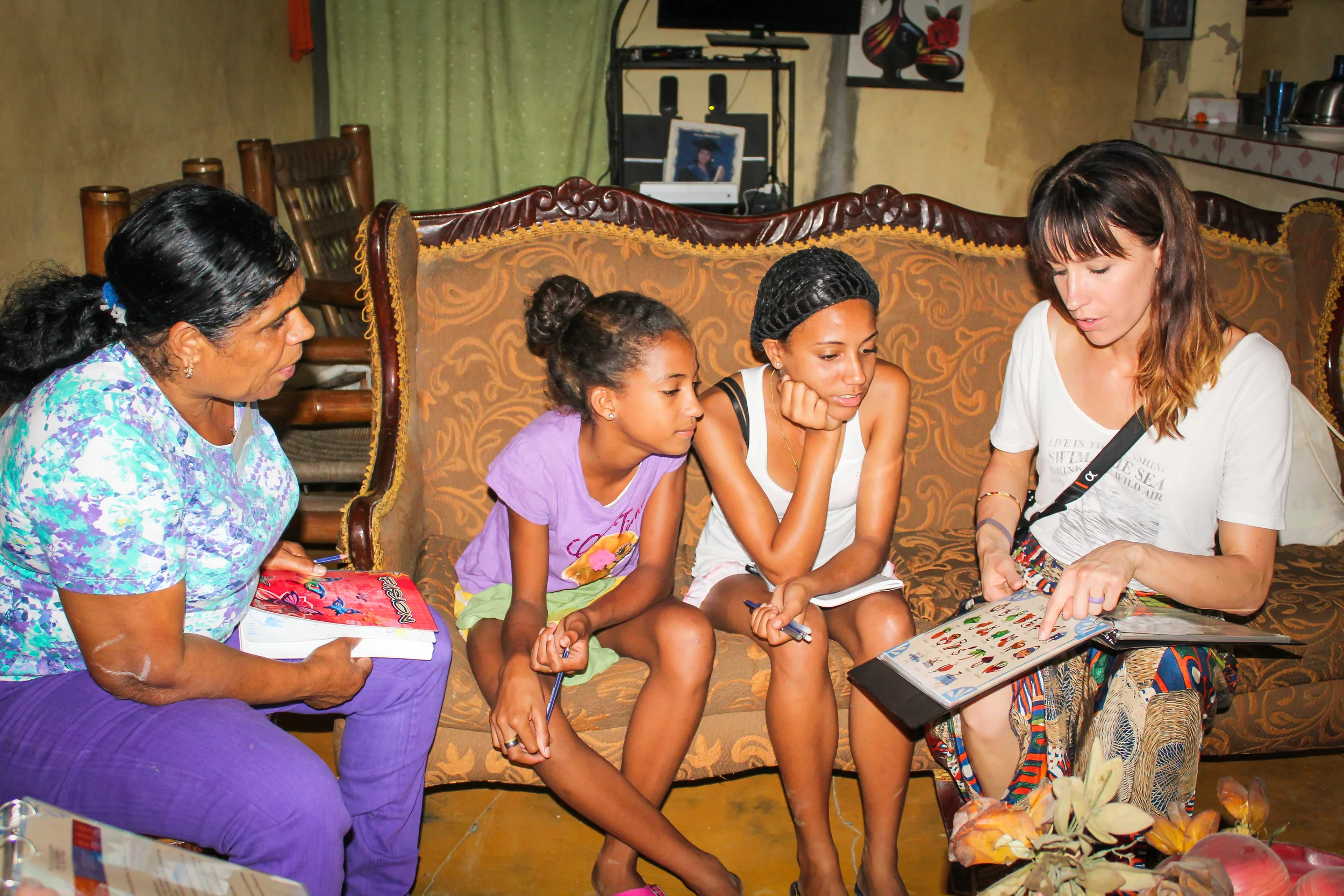
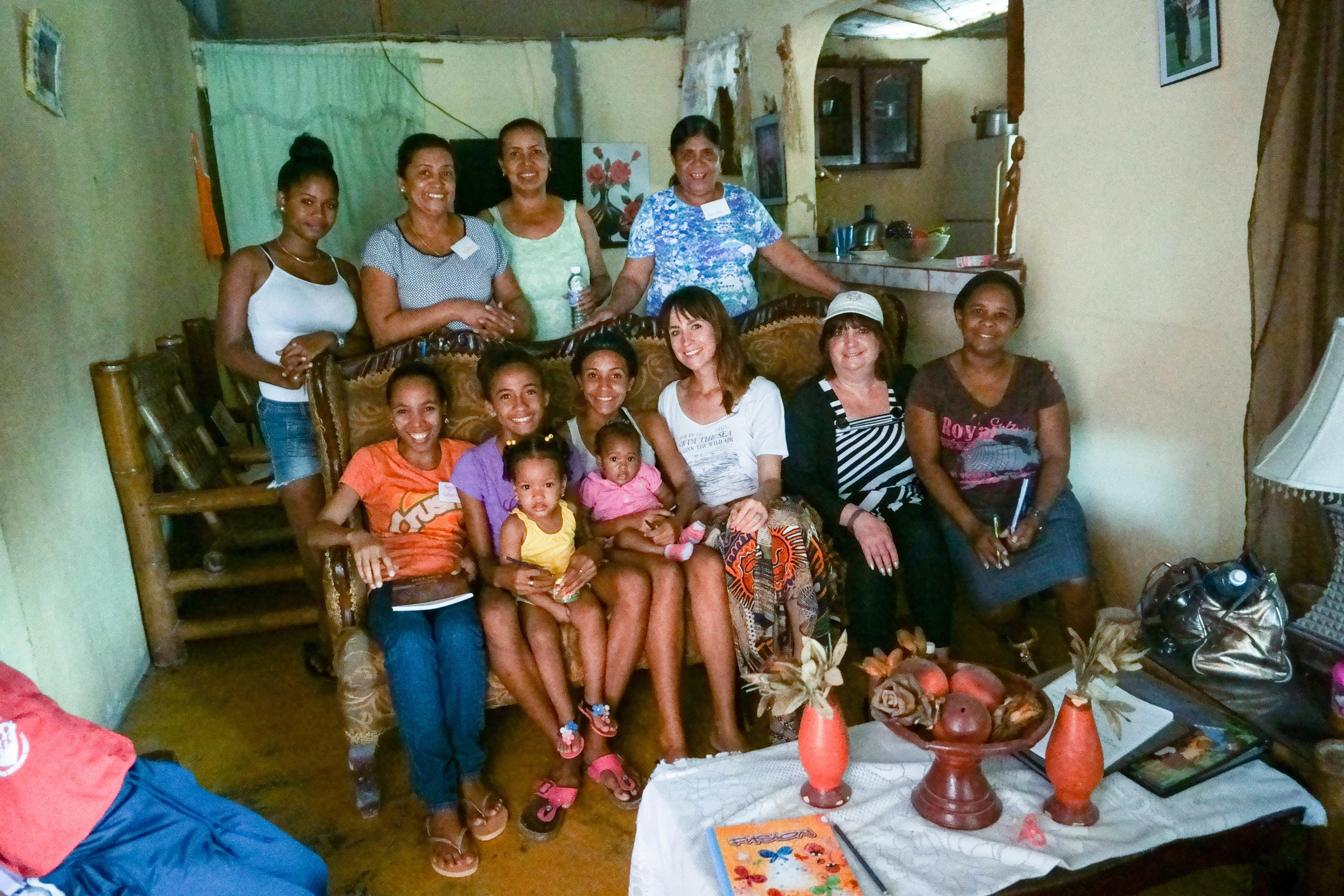
My highlight of the trip was Community English. This impact activity not only gave us direct access to Dominican families and their homes, but we played an essential role in teaching them English, a skill that will help Dominicans have a better chance of finding work. On the day I was there, we were tasked with teaching the English Alphabet. Garbling in my high school Spanish, I was astonished as Jacinta, the matriarch of a family in San Antonio, Puerto Plata, grabbed my hand and led me into her home which consisted of over a dozen children, grandchildren and great-grandchildren, each more eager than the next to learn the language I've known all my life. We gathered in a circle and squinted over the lesson in a dark house that lacked electricity, and sung the ABC's. In a matter of an hour, they had it.

While this experience impacted me deeply, and I had to allow some time to process on my own later that evening in my cabin onboard Adonia, I was struck by the joy I felt from each Dominican I met. After a few moments together, we were family. I also reflected on how most Americans take for granted that we know English (myself included). English is such an important language around the globe, and we assume everyone else will know how to speak it rather than make a strong effort to learn other languages. Language crosses boundaries and allows connections to go far deeper and more intimate.

Perhaps more important than language is laughter, that human connection we all share and understand. Laughter. I laughed the ENTIRE trip, with strangers, with people who spoke a different language than me, with new best friends. I laughed when we all jumped in the hot tub with our clothes on, when we discovered a Settlers of Catan game on board, and in Community English when my Spanish was terrible.

Thank you Fathom for allowing me to experience your inaugural journey to the Dominican Republic, and congrats on making it to Cuba! You made the entire experience unforgettable via your fun and energetic staff, rad onboard activities and by creating an amazing way to give back while on vacation. My only suggestion: make the key lime dessert available every day.

Note: I shot the above video + photos with my new Sony A6300! I'm still learning how to use it (so different from Canon) but am loving it thus far!